
National Courses
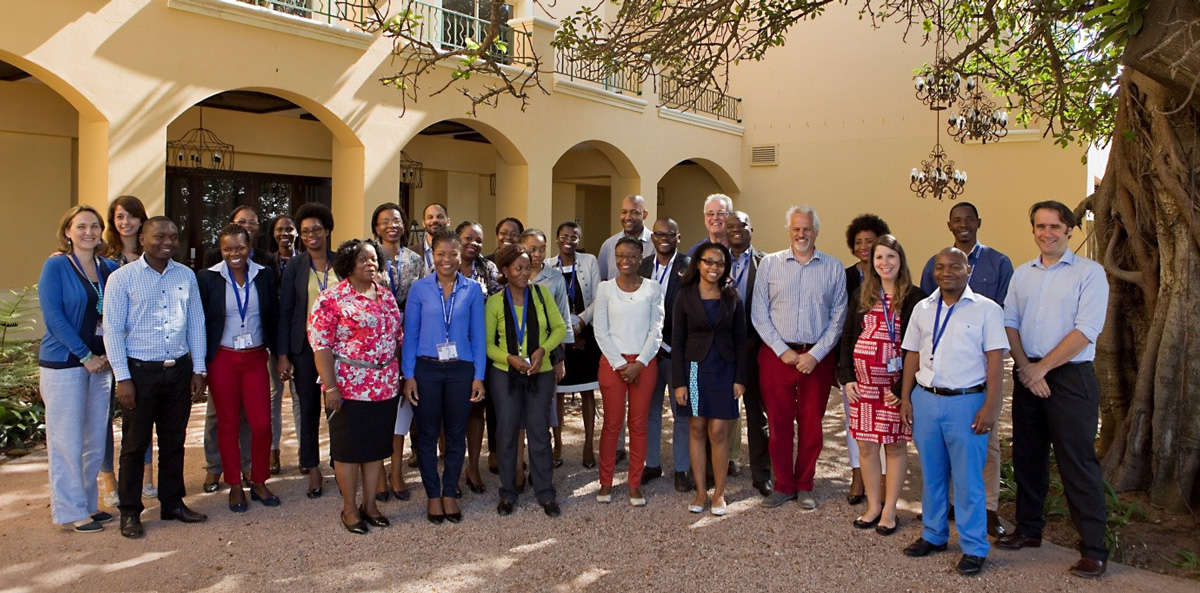
Designing and Implementing Social Protection Systems in Mozambique Course 2016
EPRI has over 20 years of experience in delivering customised programmes for a number of international organisations such as UNICEF, WFP, FAO, Sida and national governments including those of Kenya, South Africa, Malawi, Mozambique, India, Bangladesh, Nepal and Thailand, among others. The fusion of the Economic Policy Research Institute’s research expertise, global outreach and experience and a team of international experts in the field of social protection, make our in-country courses a unique learning experience.
EPRI’s in-country programmes are designed in close consultation with your organisation, with a focus on context, theory and practice to close the gap between theory and practice in the design, implementation, management, finance, and monitoring and evaluation of social protection programmes. EPRI mobilises experts from both the developed and developing countries to share lessons and provides a unique combination of international experience in the local context. These courses reinforce the skills required to effectively identify, design and implement effective social protection programmes and provide practical lessons on global best practices.
Our Approach
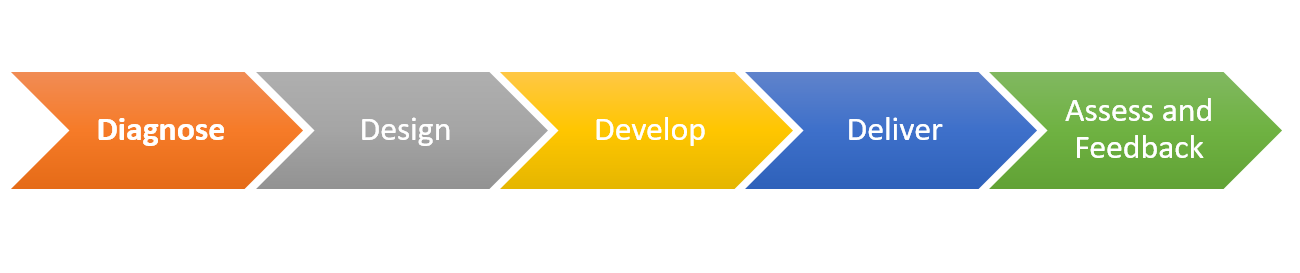
Diagnose; During the diagnose phase, our objective is to ensure that we have a solid understanding of the organisation and country, its development needs and how delivery would fit in with and add value to its overall direction and strategy.
Design: EPRI incorporates the enhanced understanding gained during the diagnose phase into a high-impact, fully customised programme. Here we articulate the structure, the content and teaching methods of the programme – and create a detailed proposal for the delivery.
Develop: In many cases, the development phase involves creating new programme materials based on current discussions, trends and developments on social protection, both nationally and internationally and may also involve creating new cases, exercises or simulations
Delivery: Our programmes typically incorporate a blend of learning tools and include coordinated series of theme-oriented sessions, practical skills-building workshops, field trips to visit social protection sites and relevant technical skills training. The course is taught using an enriching combination of formal lectures, practical case studies and hands on exercises.
Assessment and Feedback: To understand the impact of the programme and to improve future delivery we get feedback both during and after delivery. Depending upon the programme, we may also get feedback from participants to assess changes they have made in their jobs over time.
Customization
Customization on several levels:
By Content
- Contextualised to the specific organisation and country/region
- Incorporate real “business examples and/or case studies where relevant
By Teaching Methods
- Simulations and game based activities
- Team building and group presentations, field trips etc
By Participants
- Curriculum and learning journey tailored to suit the participants’ roles and involvement from policy to implementation.
By Topic
- Agriculture and Food security
- Social Protection and Developmental Planning
- Health and social protection
- Child Sensitive Social Protection
- Cash Plus Modeling
- Finance
- Monitoring and Evaluation