
Global Course – Cape Town
7 – 18 August 2016 – Cape Town, South Africa
Course Overview
Welcome to the EPRI Social Protection Course Overview
Around the world, developing countries are increasingly recognising the value of social transfer programmes in reducing extreme poverty, with success stories in Africa, Asia, and Latin America. The Economic Policy Research Institute (EPRI), together with the Maastricht Graduate School of Governance and the Institute of Development Studies (IDS), is offering a two-week intensive course including a number of specialised modules aimed at providing participants with an in-depth understanding of the conceptual and practical issues involved in the design and implementation of social protection programmes.
Target Audience
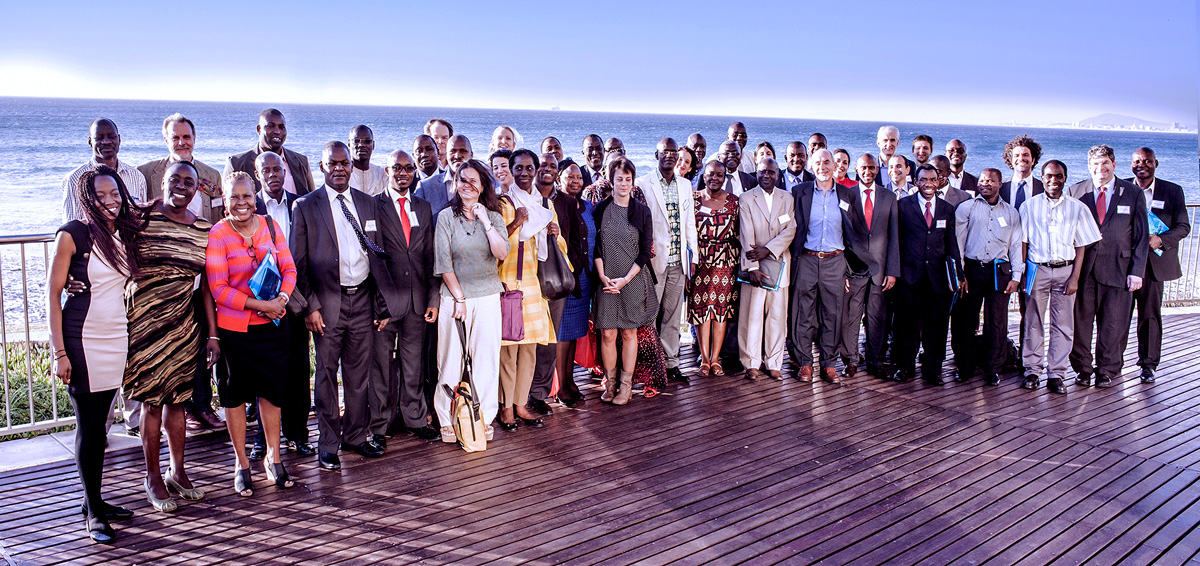
The course aims to build the capacity of government policymakers and officials, representatives from bilateral and multilateral agencies, programme practitioners and staff members from non-governmental organisations. The course will serve those who want to more effectively design, implement and manage social transfer programmes with the goal of reducing poverty and better achieving the Sustainable Development Goals.
Benefits
At the end of the course, the successful participant will better understand the comprehensive approach to social protection and how appropriate social protection instruments can reduce poverty and vulnerability and promote developmental outcomes. The course will reinforce the skills required to identify, design and implement effective social protection programmes. The curriculum is international in scope and standard but with a distinct orientation to the African context. A team of international experts, skilled professionals and leaders in the field will teach the course. The certificated course will be jointly accredited by the UNU-MERIT/Maastricht Graduate School of Governance and the Economic Policy Research Institute.
Location
EPRI host two global courses each year, the first in Cape Town, South Africa and the second in Chiang Mai, Thailand. Although the basis for these two courses are similar the context is applied to different developmental context.
Programme Details
The course is offered as a two-week course or in one-week course format. Participants have the option of participating in either the full two week course (core and elective) or simply participating in one of the one week courses – the core course or the specialized topic electives.
The course includes a coordinated series of theme-oriented sessions, practical skills-building workshops, field trips to visit social protection sites and relevant technical skills training. The course will be taught using formal lectures, practical case studies and hands on exercises. Topics will include:
- The role of social protection in reducing poverty, vulnerability and social exclusion
- The identification of appropriate social protection instruments for specific country contexts
- The design of social protection and cash transfer programmes
- Implementation issues, including registration, targeting, payment and information systems
- Monitoring and evaluation approaches for social protection systems
- Case studies of successful programmes around the world
- Field trips to see South Africa’s social protection system in action
Additionally, specialised modules are provided, building on the first week’s modules
During the second week of the course, participants will choose one of several intensive, five-day modules on a specialised topic. Offerings may vary based on demand, but typical options include:
- Social protection policy
Understand the importance, content and processes of developing national social protection polices, and review and critique a sample of social protection policies in Africa. - Financial inclusion and economic opportunity: linkages to social protection
Maximise social transfers’ developmental impact and linkages by learning to design efficient and financially inclusive payment arrangements that bring the world of formal financial services to beneficiaries. - Micro-simulation models for policy analysis
Learn to use micro-simulation models to analyse existing social protection policies, estimate the impacts of proposed initiatives, engage effectively with a growing body of evidence and provide credible, accessible information to policymakers. - Monitoring and evaluating social protection programmes
Gain an in-depth, practical understanding of how monitoring and impact assessment can be used to evaluate programme success, analyse alternative designs, improve programme operation, enhance cost-effectiveness and ensure programme sustainability.
Fees and Other costs
The tuition fee for the two-week course is £2,990.
The tuition fee also includes travel on scheduled visits and optional hands-on computer based skill workshops. The comprehensive accommodation and facilities fee is £1,570, which includes four-star accommodation, three meals per day and teas, per diems, recreational activities and tours, airport transfers and use of included facilities. The fees do not include international travel to and from Cape Town, South Africa.
If you would only like to apply for the core course or one of the five-day specialised topics, the tuition fee is £1,690. The comprehensive accommodation and facilities fee is £ 870, which includes four-star accommodation, three meals per day and teas, per diems, airport transfers and use of included facilities. The fees do not include international travel to and from Cape Town, South Africa.
Course Application
Regarding the courses application forms please use the following links for online applications:
Cape Town Course – https://goo.gl/forms/wkdCgdfu762oSby92
Chiang Mai Course – https://goo.gl/forms/gGdzGpjfs3NYXttl1
**This application form will be integrated into the website